

In mine closure engineering, geotextile non woven is a geosynthetic material made of randomly arranged synthetic fibers (typically polypropylene or polyester) that functions as a filter, separator, and drainage layer. Its role is crucial in controlling surface erosion, seepage flow, and the stability of cover soils in reclaimed mine areas.
The fundamental principle aligns with soil conservation geotechnical practice: “filtration and drainage layers are essential to maintain soil stability by controlling the movement of water while retaining soil particles.” These layers allow water to pass while preventing fine soil particles from being washed away and weakening the soil structure.
What Is Geotextile Non Woven?
Geotextile non woven is a porous engineering fabric manufactured through needle-punching or heat bonding, without a regular woven pattern. Its random fiber structure provides:
- High permeability
- Good filtration capacity
- Flexibility to conform to ground contours
Its primary functions in post-mining applications include:
- Filtration → retaining fine soil particles
- Drainage → conveying water within the geotextile plane
- Separation → preventing mixing between different soil layers
1. Geotextile Non Woven and Surface Erosion Control
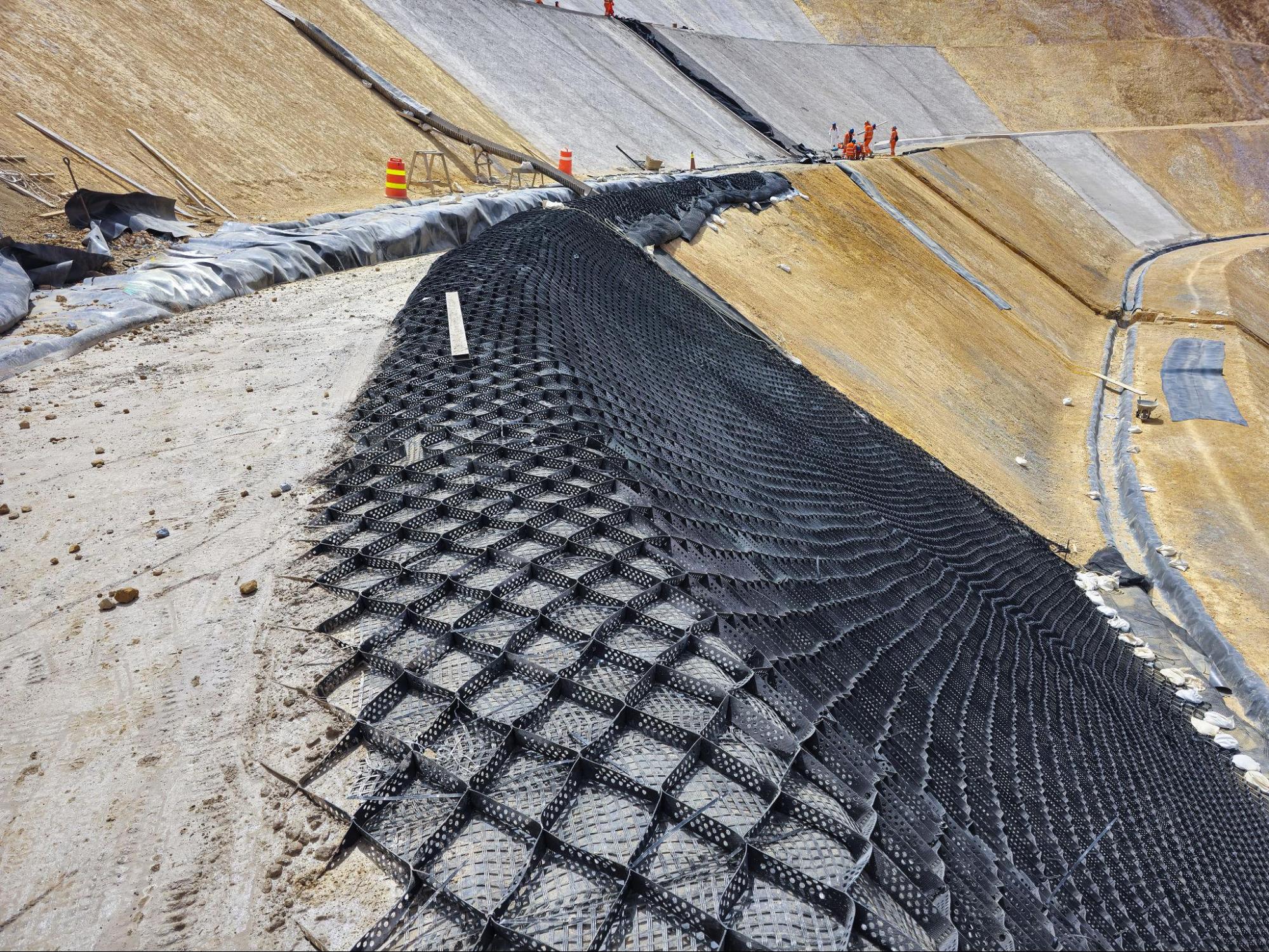
After mine closure, reclaimed slopes are highly vulnerable to rainfall erosion. Geotextile non woven serves as an initial stabilization layer before vegetation becomes established.
Technical functions:
- Reduces the impact energy of raindrops
- Retains fine soil particles against erosion
- Maintains soil moisture to support plant growth
Technical literature notes that geosynthetic-based erosion control systems can “significantly reduce soil loss on exposed slopes while maintaining hydraulic conductivity.”
2. Geotextile Non Woven in Mine Cover Drainage Systems
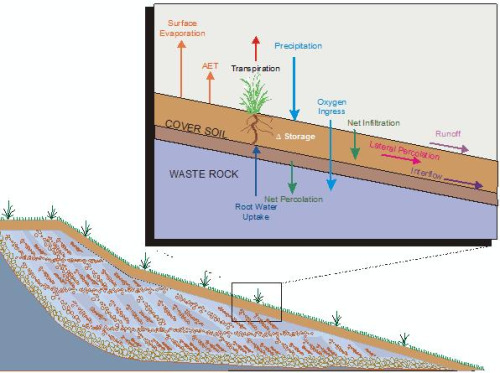
Within mine cover systems, geotextile non woven is often installed alongside geomembranes or compacted clay layers as part of a drainage layer.
Objectives:
- Convey infiltrating water laterally
- Reduce pore water pressure within cover soils
- Prevent slope failure due to saturation
Mine reclamation design guidelines state that “geosynthetic drainage layers improve long-term stability by preventing the build-up of pore pressures within cover soils.”
3. Filtration Role in Reclaimed Soil Stability
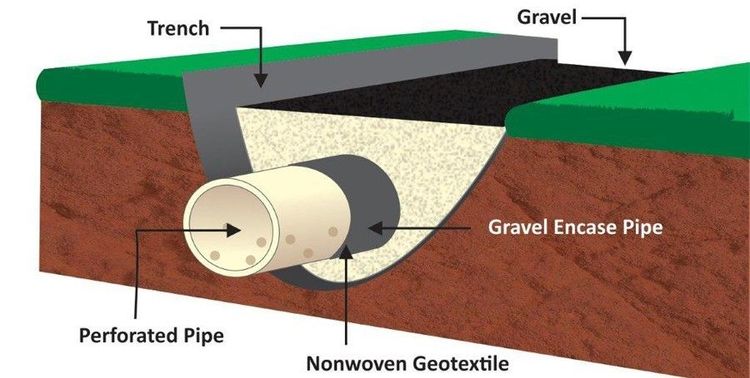
When fine soils are carried away by flowing water, soil voids enlarge and stability decreases. Geotextile non woven acts as a filter that meets two criteria:
- Water can pass through
- Soil particles are retained
This concept is known as filtration compatibility, meaning the geotextile pore size is compatible with the soil’s grain size distribution.
Geosynthetic design standards emphasize that “proper filter selection prevents internal erosion while allowing adequate flow capacity.”
4. Long-Term Geotechnical Benefits
In post-mining environments, small issues like surface erosion can escalate into:
- Reclaimed slope failures
- Exposure of waste cover layers
- Vegetation growth problems
Geotextile non woven helps maintain:
- Hydraulic stability (controlled water flow)
- Mechanical stability (support of cover soils)
- Long-term revegetation success
Conclusion
Geotextile non woven is a critical component in post-mining land care, functioning as a filtration and drainage system that controls water the primary driver of erosion and soil instability in reclaimed areas.
Without effective water flow control, reclaimed slopes may lose cover soil, experience rising pore water pressure, and suffer long-term stability problems.
References:
International Geosynthetics Society (IGS) – Guidelines on filtration and drainage functions of geotextiles
Koerner, R.M. – Designing with Geosynthetics (filtration and drainage functions of geotextiles)
United States Environmental Protection Agency (EPA) – Guidance on landfill and mine cover drainage systems
Holtz, R.D., Christopher, B.R., & Berg, R.R. – Geosynthetic Design and Construction Guidelines
- Share