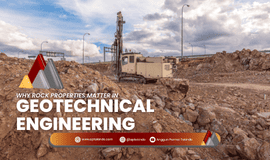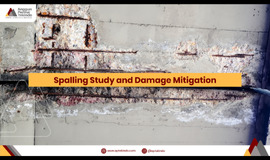


Geotechnical engineering is the primary foundation for the success of mining operations. Behind the design of mine slopes, highwall stability, disposal management, and the construction of tailings storage facilities lies the application of soil and rock engineering principles that ensure safety, efficiency, and operational sustainability.
Historically, this discipline developed through empirical approaches and safety factor based designs. Over time, geotechnical engineering has continued to evolve in response to the complexity of interactions between natural systems and large-scale mining activities.
This development has been further strengthened by growing commitments to sustainability. In the mining context, sustainability is not only defined as post-mining land reclamation, but also as a systematic effort to design slopes, select fill materials, and implement soil stabilization methods that minimize carbon emissions, optimize resource utilization, and maintain environmental integrity throughout the mine lifecycle.
From this perspective, geotechnical engineering serves as a strategic instrument in realizing responsible and long-term oriented mining practices. Life Cycle Assessment (LCA)-based approaches and performance-based design are increasingly enriching modern geotechnical practice.
Design evaluation now considers not only slope safety factors, but also the embodied energy and emissions of stabilization materials, the potential reuse of waste rock, and long-term impacts on groundwater and surrounding ecosystems. This shift encourages more comprehensive decision-making through multi-criteria optimization that balances safety, economic, and environmental aspects.
Material innovation has also accelerated this transformation. The use of high-carbon-intensity materials, such as Portland cement, is increasingly being complemented by more environmentally friendly alternatives, including fly ash, blast furnace slag, and recycled concrete aggregate (RCA).
In mining practice, these alternative materials have the potential to be applied in mine road construction, slope reinforcement, and internal drainage systems. In addition, the development of nanomaterials and fiber-reinforced composites expands soil stabilization solution options, particularly under complex geological conditions.
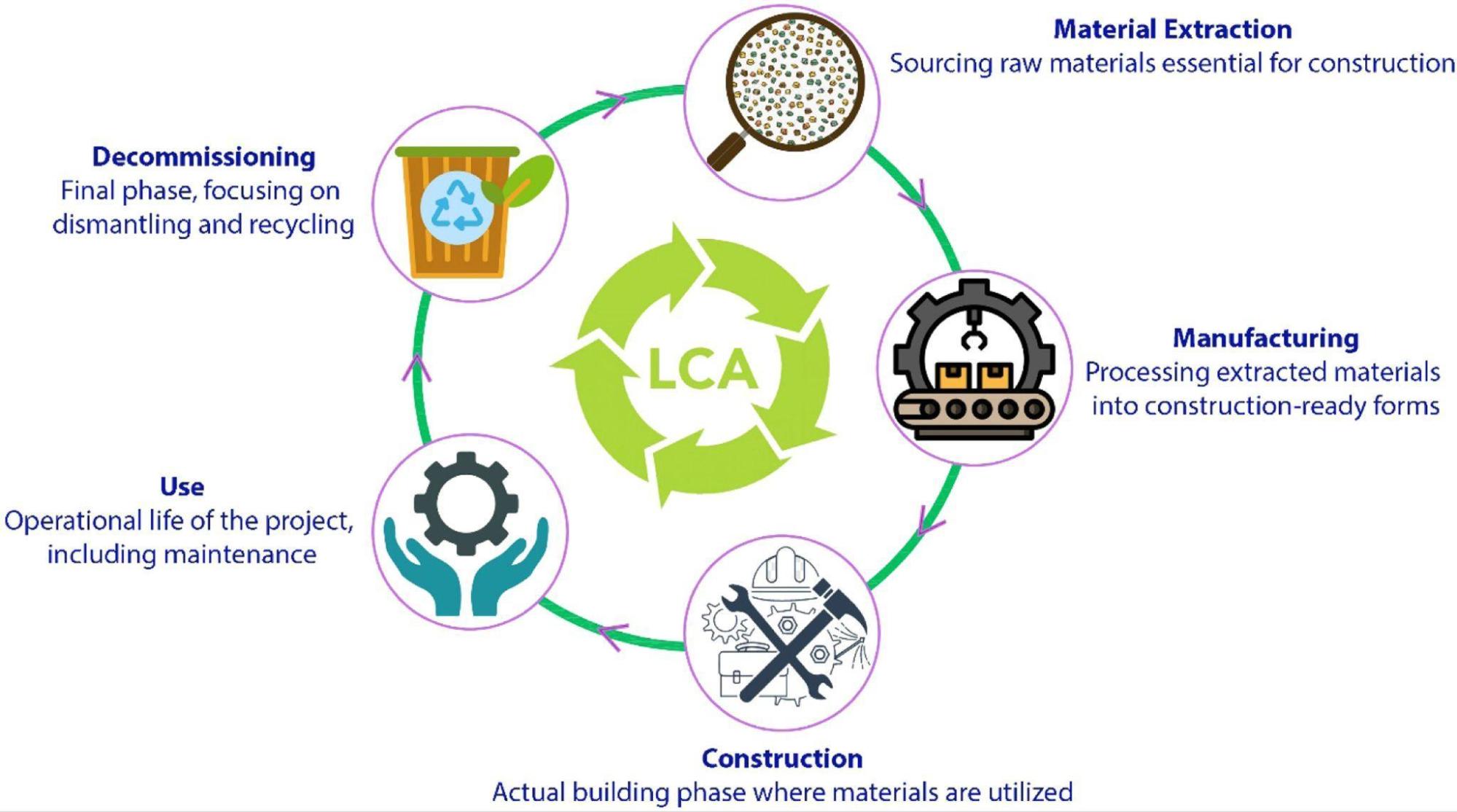
Environmentally friendly design and construction principles further emphasize the importance of selecting materials that are technically superior while also environmentally efficient. Beyond material innovation, sustainable geotechnical design also promotes the preservation of natural hydrological and ecological functions.
Erosion control, the implementation of permeable drainage systems, and the integration of vegetative elements in slope stabilization reflect an adaptive and ecosystem-based approach. This strategy is increasingly relevant in addressing climate change dynamics that affect rainfall patterns and mine slope stability.
These developments indicate that sustainable geotechnical practices continue to progress positively. Strengthening field data, conducting long-term testing of alternative materials, and aligning regulatory frameworks are essential steps to expand the application of this approach. Collaboration among academics, industry practitioners, and policymakers also plays a major role in ensuring that developed innovations are truly applicable and evidence-based.
In the mining context, geotechnical engineering is currently entering an increasingly strategic phase of transformation. Its role is no longer limited to ensuring that safety factor values are met, but also to ensuring that slope designs, reinforcement systems, and mining infrastructure are efficient, environmentally friendly, and resilient in the long term.
This is where the role of geotechnical experts becomes crucial. Geotechnical experts not only conduct stability analyses, but also evaluate material choices, consider environmental impacts, and integrate technical and sustainability aspects into every design decision. Thus, geotechnical experts function as the primary link between technical stability and the operational sustainability of the mining industry.
Source:
Firoozi AA, Firoozi AA, Maghami MR. 2025. Sustainable practices in geotechnical engineering: Forging pathways for resilient infrastructure. Results in Engineering. 26:105577. doi:10.1016/j.rineng.2025.105577.
- Share